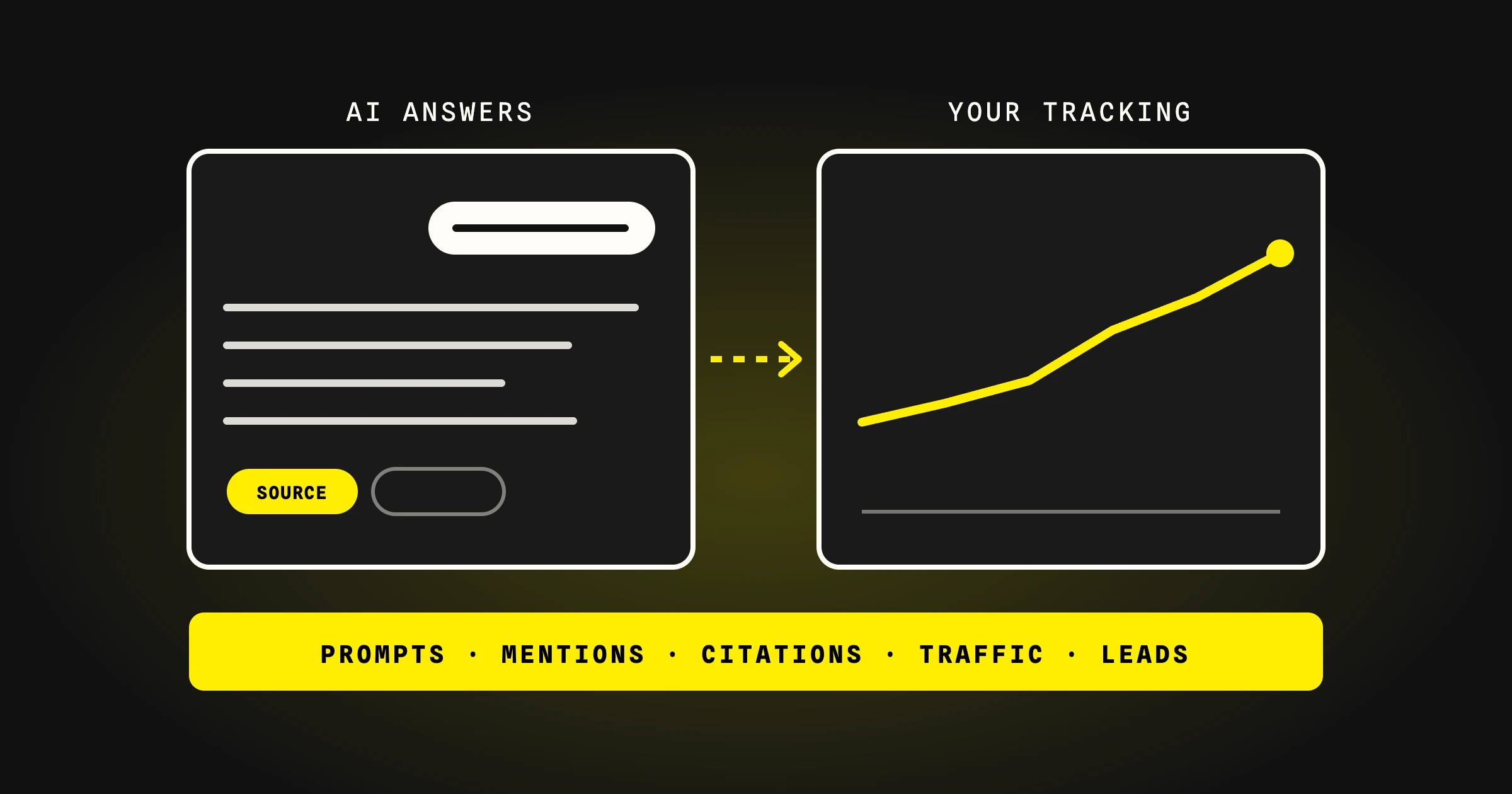
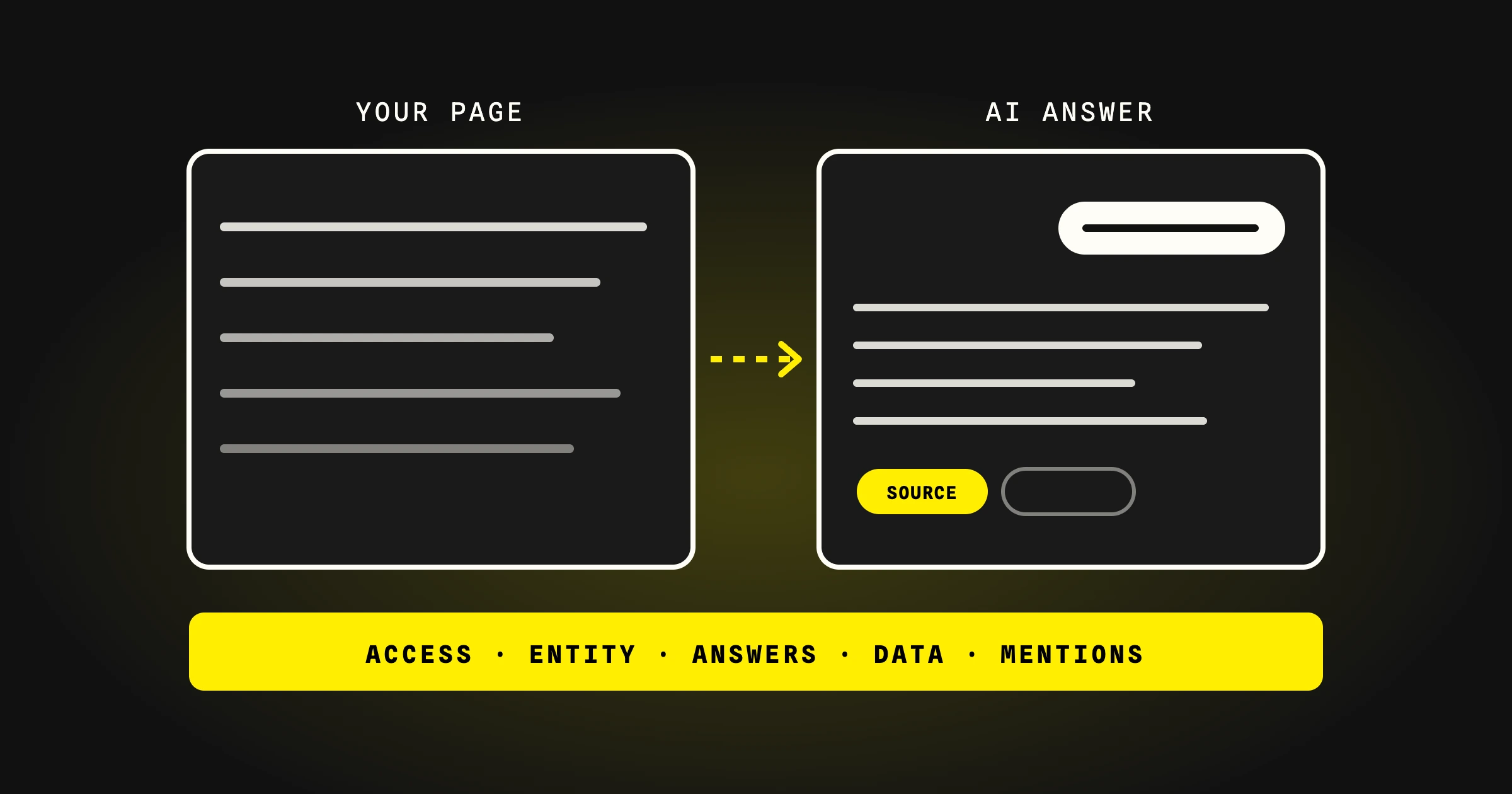
SEO is not dead, but it has changed: AI answers now resolve many informational questions without a click, while buyers close to a decision still visit websites. AI assistants also build their answers from pages that rank well, so strong SEO remains the foundation of AI visibility.
In short
SEO is not dead: AI answers absorb some informational clicks, but buyers still visit websites before they choose a provider.
Pew found Google users clicked a result in 8% of visits with an AI summary, against 15% without one.
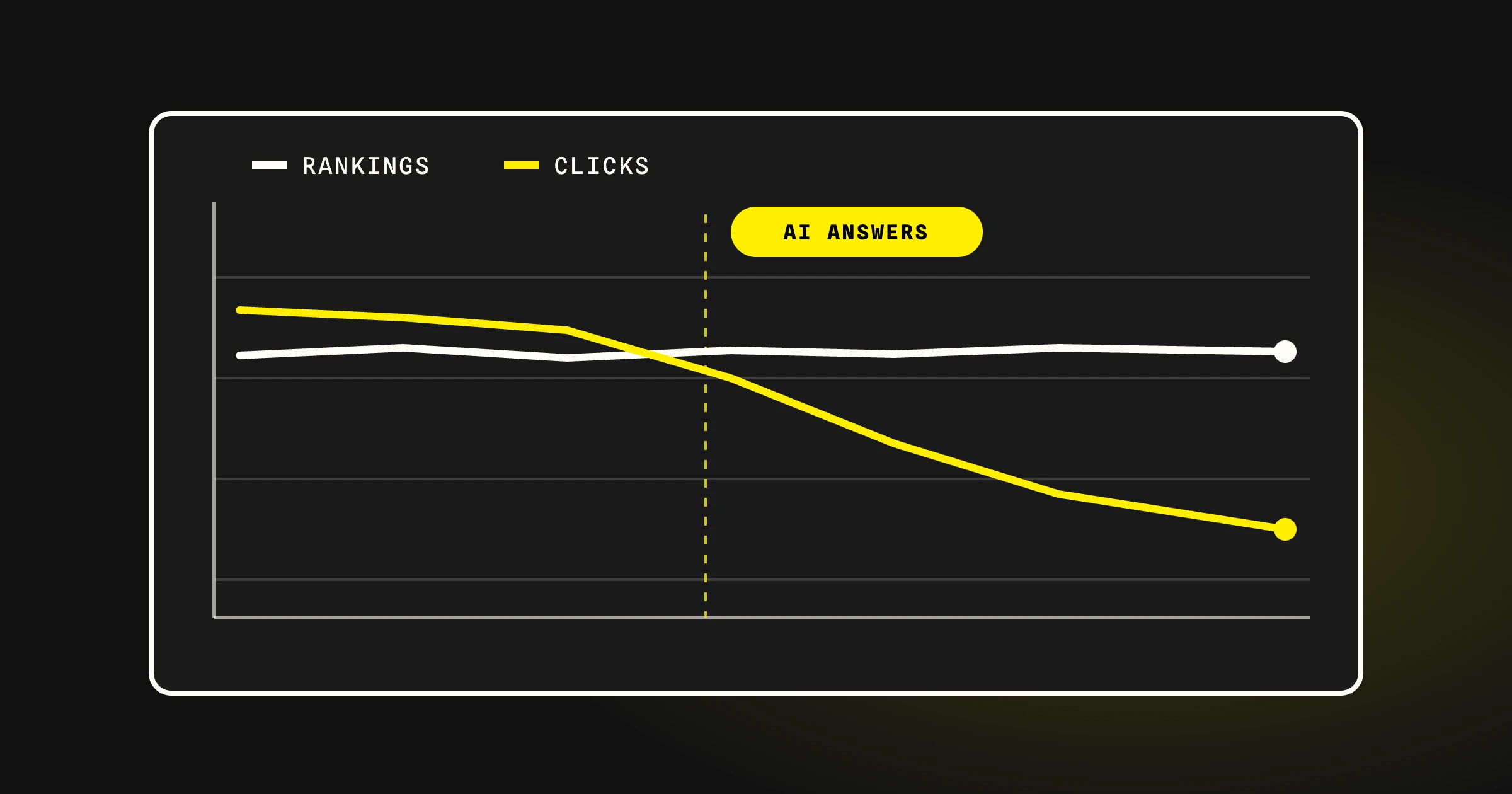
If traffic fell while rankings held, split branded from non-branded and informational from commercial queries before judging SEO.
Shift effort to pages for buyers close to a decision, and make key pages easy for AI assistants to quote.
Clicks when an AI summary shows
8%
of Google visits with an AI summary ended in a click on a result, vs 15% without one (Pew Research Center, 2025)
Searches that end after an AI summary
26%
of visits with an AI summary ended the browsing session, vs 16% without one (Pew Research Center, 2025)
Lower CTR for the #1 result
34.5%
lower average click-through rate for the top-ranking page when an AI Overview appears (Ahrefs, 2025)
The Short Answer
SEO is not dead, but it has changed. AI answers now resolve many questions directly on the results page or inside ChatGPT and Perplexity, so some searches no longer produce a click. The searches that matter most to a business, where a buyer compares providers and decides, still lead people to websites, and AI assistants build their answers from the same pages that rank well in search.
8%
Pew Research Center · March 2025
Google users who saw an AI summary clicked a traditional result in 8% of visits, against 15% when no summary appeared. Only 1% clicked a link inside the summary itself.
What Actually Changed
More answers without a click. Definitions, quick facts and simple how-to questions are often answered by Google's AI Overviews or an AI assistant before anyone visits a site.
Longer, conversational questions. Buyers describe their situation in full sentences and expect a tailored answer.
Shortlists built by AI. Assistants now suggest vendors and compare options, so being mentioned in those answers influences who gets the first call.
Authority from the wider web. What other sites, reviews and communities say about your brand weighs more in AI answers than in classic rankings.
What Still Works
Still works
Why it matters now
Technical foundations
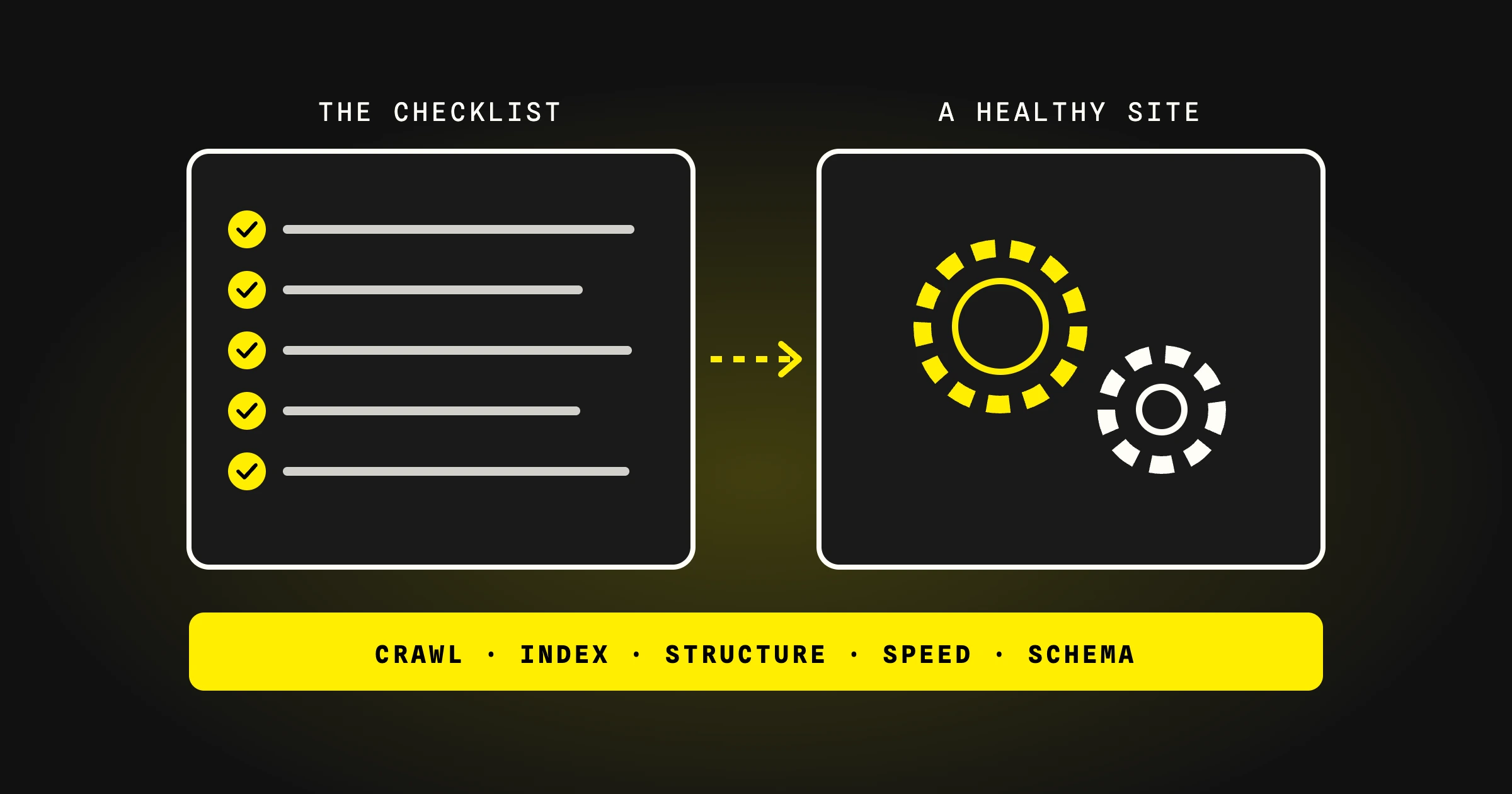
Pages that can't be crawled, indexed or loaded quickly can't rank or be cited.
Pages built for commercial intent
Service, comparison, pricing and case study pages still earn the clicks that turn into pipeline.
Clear, specific content
Direct answers, question-led headings and real expertise help both rankings and AI citations.
Authority
Links and mentions from trusted sites still separate the pages that rank from the ones that don't.
Traffic Is Down but Rankings Held: What Is Going On?
This is the most common pattern we see now. Rankings for informational keywords stay in place, but clicks fall because an AI Overview answers the question above your result. Before deciding SEO has stopped working, run three checks.
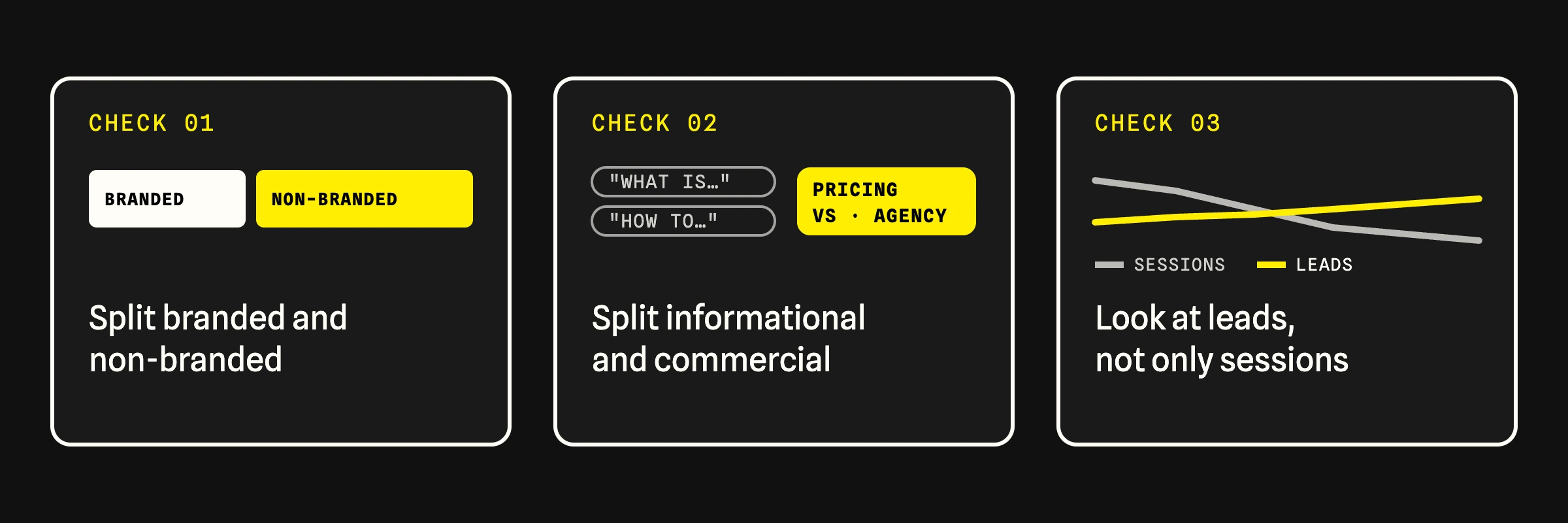
Three checks to run before deciding SEO has stopped working.
Split branded and non-branded traffic. In Google Search Console, filter queries that contain your brand name. Branded clicks reflect demand you already created; non-branded clicks show whether SEO is reaching new buyers.
Split informational and commercial queries. If the drop is concentrated in "what is" and "how to" searches while commercial searches hold, AI answers are absorbing top-of-funnel clicks, not your business pages.
Look at conversions, not only sessions. Fewer but better-qualified visits can mean steady or growing leads.
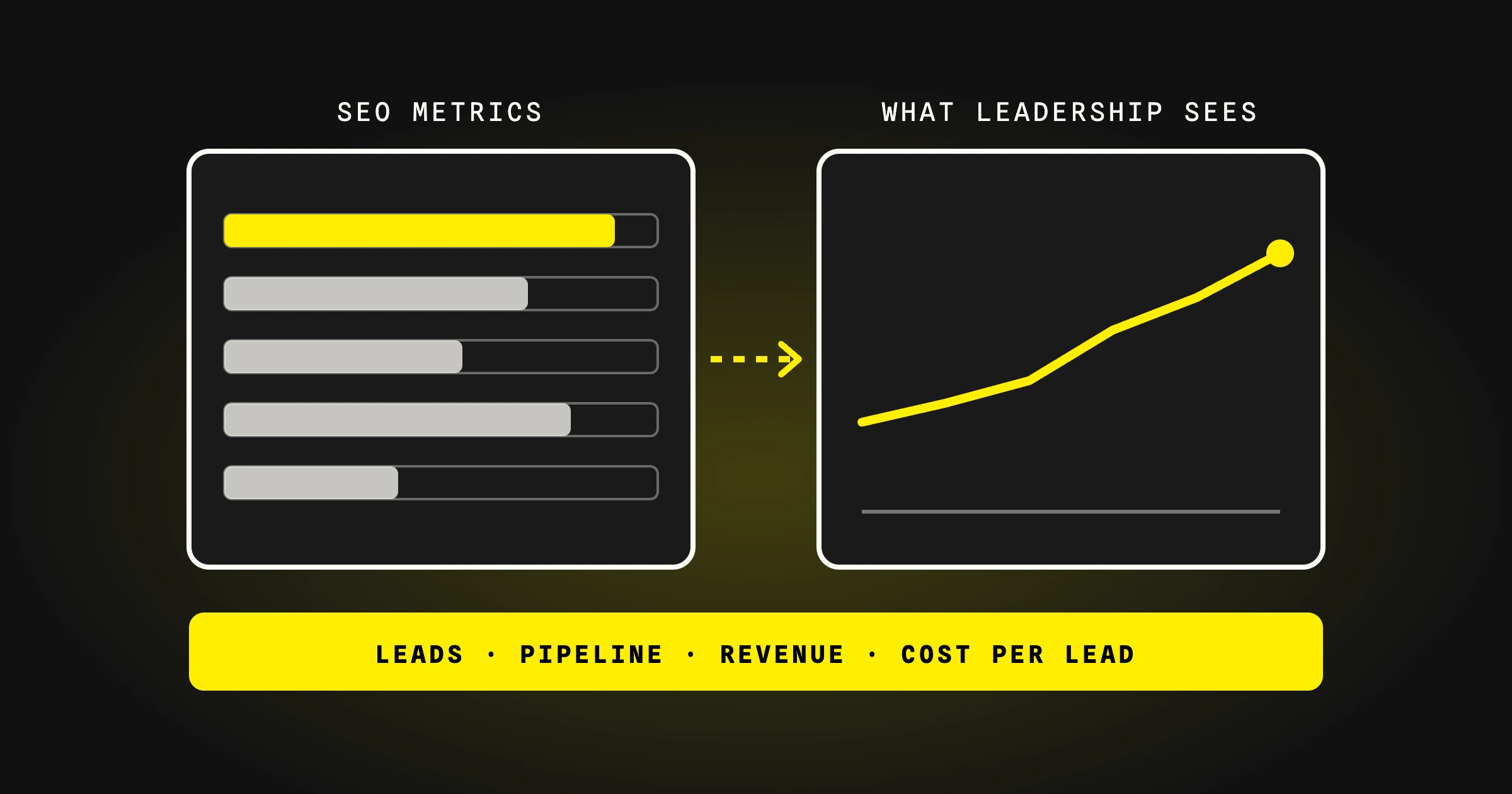
Judge SEO on leads, not sessions. A drop in informational clicks with steady commercial traffic usually means AI answers took the easy questions, not that SEO stopped working.
What to Change in Your SEO Plan
Prioritize pages that serve buyers close to a decision, not only high-volume informational topics.
Rewrite the openings of key pages so they answer directly and can be quoted.
Add structured data that matches each page and keep your company facts consistent everywhere.
Track AI citations for a fixed set of buyer questions next to rankings and conversions.
Invest in mentions, reviews and original data that give AI systems a reason to name you.
SEO still decides whether buyers find you, in classic results and in AI answers. What changed is where the clicks come from, so the plan has to follow the buyer, not the traffic chart.
To compare the three disciplines, read SEO vs AEO vs GEO. If you want a second opinion on your traffic, our SEO audit separates what AI answers took from what your site lost, and our SEO services team fixes it.
FAQ
Will AI search replace Google?
Not in the near term. Google remains the main source of organic visits for most businesses and now includes AI answers itself. The practical goal is to be visible in both the classic results and the AI answers.
Are zero-click searches bad for my business?
They reduce clicks on informational queries, but being the cited source still builds awareness. The queries that drive revenue are less likely to end without a click because buyers need to compare and contact providers.
Is it still worth investing in SEO?
Yes, if the work targets the searches your buyers make before they choose a provider and includes the steps that make your content citable by AI assistants.
5.0 on Clutch · 350+ companies served
Get a Free SEO Report.
A senior strategist reviews your site and walks you through it on a 30-minute call. No sales pitch, and you keep the report either way. It includes:
Andrés founded Digital Socios and Glued and leads Digital Socios' AI search work. He has spent 8+ years building websites and user experiences for brands like Nestlé, Vital Proteins and Pfizer.